

Searching for dirty ways to make money might sound shady at first glance, but the truth is far less scandalous and far more profitable than most people realize. Some of the highest-paying gigs in the United States involve work that’s messy, smelly, physically grueling, or just plain awkward — the kind of jobs most folks scroll right past on a job board.
That avoidance creates the opportunity. When nobody else wants to do the work, the people willing to roll up their sleeves can charge premium rates and build surprisingly lucrative businesses with relatively little competition.
Before we dive in, let’s clarify something. “Dirty” here means literal dirt, grime, biohazards, bodily waste, decomposing matter, and the general unpleasantness that makes your average person gag. Every single opportunity on this list is 100% legal. Many require specific licenses or certifications, which we’ll note along the way. None of them involve anything criminal, unethical, or deceptive.
These are real jobs solving real problems. And the people doing them are getting paid very well.
What Makes Dirty Ways to Make Money So Profitable?
The economics are straightforward. Supply and demand. The demand for waste removal, hazardous cleanup, and sanitation services never drops — it actually grows as populations expand and regulations tighten. The supply of willing workers, however, stays stubbornly low because most people would rather earn less doing something pleasant.
That gap between high demand and low supply drives up prices. A homeowner desperate to clear out a deceased relative’s hoarder house will pay thousands without haggling. A restaurant facing a health code violation over a backed-up grease trap will write a check on the spot. Urgency plus discomfort equals premium pricing.
Top 25 Dirty Ways to Make Money
Here are 25 of the best opportunities, organized roughly from highest earning potential to most accessible for beginners.
1. Crime Scene and Biohazard Cleanup
This is the heavyweight champion of dirty work. Crime scene cleaners, technically known as biohazard remediation technicians, handle the aftermath of homicides, suicides, unattended deaths, and serious accidents. They also clean up trauma scenes involving blood, bodily fluids, and tissue.
Customers — typically property owners, landlords, or insurance companies — pay handsomely because the work requires specialized training, emotional resilience, and strict compliance with OSHA bloodborne pathogen standards. A single job can range from $1,500 to $25,000 or more, depending on the scene’s severity and size.
Getting started requires OSHA-compliant biohazard training, bloodborne pathogen certification, and in many states, a specific trauma cleanup license. Startup costs for equipment, PPE, cleaning agents, and a vehicle typically run $10,000 to $50,000. Companies like Aftermath and Bio-Recovery hire technicians if you’d rather start as an employee earning $20 to $35 per hour before branching out independently.
The psychological toll is real and worth acknowledging before committing. This work is not for everyone, and burnout rates are high.
2. Hoarder House Cleanouts
Hoarder cleanouts involve entering severely cluttered homes — sometimes packed floor to ceiling with decades of accumulated possessions, rotting food, pest infestations, and human or animal waste — and restoring the property to livable condition.
Families, estate attorneys, and adult protective services agencies hire cleanout crews because the task is physically dangerous and emotionally overwhelming for untrained individuals. Jobs typically pay $1,000 to $5,000 for a standard home, with extreme cases reaching $10,000 or more.
You’ll need a truck or trailer, heavy-duty PPE (respirators, Tyvek suits, thick gloves), dumpsters, and a strong stomach. No special license is required in most states, though you may need a general business license and waste hauling permits depending on your municipality.
3. Septic Tank Pumping and Maintenance
Septic systems serve roughly 20% of US households, according to the EPA, and every one of those tanks needs pumping every three to five years. The work involves connecting a vacuum truck to a buried tank and suctioning out thousands of gallons of raw sewage.
Septic service operators typically charge $300 to $600 per pump-out, with repairs and installations running into the thousands. The startup investment is significant — a used vacuum truck alone costs $30,000 to $80,000 — but established operators in rural and suburban areas can gross well over $100,000 annually.
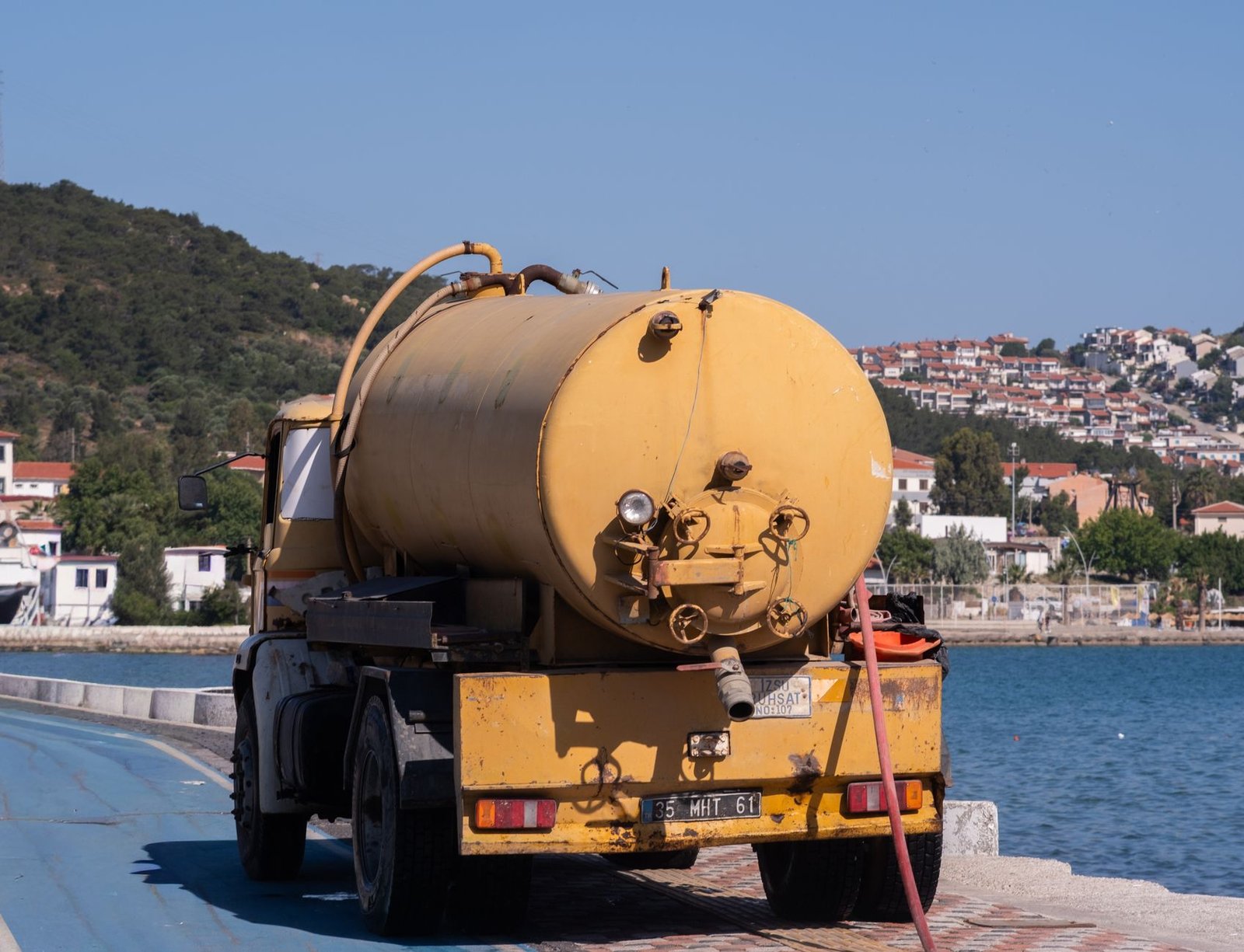
State licensing requirements vary. Most states require a wastewater handling permit or septic contractor license. Check with your state’s department of environmental quality.
4. Grease Trap Cleaning
Every commercial kitchen in the United States is required by local health codes to maintain a grease trap or grease interceptor. These devices catch fats, oils, and grease before they enter the sewer system, and they need professional pumping on a regular schedule — often weekly or monthly for busy restaurants.
Grease trap service technicians deal with rancid, congealed sludge that smells exactly as bad as you’re imagining. The upside is recurring revenue. Once you land a restaurant contract, you’ll service that account on a predictable schedule for years. Individual cleanings run $150 to $500 depending on trap size.
You’ll need a vacuum truck or a smaller portable pumping unit, a waste disposal agreement with a rendering facility or wastewater treatment plant, and compliance with local FOG (fats, oils, grease) ordinances.
5. Portable Toilet Servicing
Someone has to pump, clean, sanitize, and restock the thousands of portable toilets at construction sites, festivals, and outdoor events. That someone gets paid reliably and consistently.
Route technicians typically earn $18 to $25 per hour working for established companies like United Rentals or Sunbelt. Business owners who operate a fleet of units can earn significantly more. A single portable toilet rental runs $75 to $150 per month, and servicing adds additional revenue.
The work is smelly and physically demanding, especially in summer heat. You’ll need a CDL (Commercial Driver’s License) for larger vacuum trucks and compliance with state wastewater disposal regulations.
6. Mold Remediation
Mold grows in damp, poorly ventilated spaces — basements, crawl spaces, bathrooms, and anywhere water damage has gone untreated. Professional mold remediators assess contamination levels, contain affected areas, remove infected materials, and treat surfaces to prevent regrowth.
The EPA recommends professional remediation for mold patches larger than 10 square feet. Average jobs cost homeowners $1,500 to $5,000, with large-scale commercial projects reaching $20,000 or more.
Certification through the IICRC (Institute of Inspection, Cleaning and Restoration Certification) or a state-approved program is strongly recommended and legally required in states like Texas, Florida, and Louisiana. Startup costs for equipment, containment materials, and testing supplies typically range from $5,000 to $15,000.
7. Dead Animal and Roadkill Removal
Municipalities, highway departments, and private property owners need someone to collect and dispose of deceased animals — from deer on rural highways to rats in restaurant walls. The work is exactly as unpleasant as it sounds, which is why it pays well relative to the skill required.
Private contractors charge $75 to $300 per removal depending on the animal’s size, location, and decomposition state. Some counties and cities offer per-call contracts to licensed waste haulers.
You’ll need a truck, heavy-duty bags or containers, PPE, and a disposal arrangement with a landfill or rendering facility. Check local regulations regarding animal carcass disposal, as rules vary significantly by state and county.
8. Pet Waste Removal Service
This is one of the most accessible dirty ways to make money with almost zero startup cost. Pet waste removal — colloquially known as a pooper scooper service — involves visiting clients’ yards on a weekly schedule and cleaning up dog feces.
It sounds trivial until you look at the numbers. The American Pet Products Association estimates that over 65 million US households own at least one dog. Busy professionals and elderly homeowners gladly pay $15 to $25 per week for weekly yard cleanup. A solo operator with 100 weekly clients can gross $6,000 to $10,000 per month.
Startup costs are minimal: a scooper, buckets, heavy-duty bags, gloves, and a reliable vehicle. No special licensing is required in most jurisdictions, though a general business license is advisable.
9. Sewer Line Inspection and Cleaning
Sewer backups are a homeowner’s nightmare, and resolving them requires specialized equipment and a tolerance for raw sewage. Sewer technicians use motorized drain snakes, hydro-jetting machines, and camera inspection systems to clear blockages and diagnose pipe damage.
Average service calls run $200 to $600, with camera inspections adding $250 to $500. Emergency after-hours calls command premium pricing.
Plumbing licenses are required in most states. Startup costs for hydro-jetting equipment and inspection cameras can exceed $20,000, making this better suited for licensed plumbers expanding their service offerings rather than complete beginners.
10. Junk Removal Service
Junk removal companies haul away old furniture, appliances, construction debris, yard waste, and general household clutter. The work involves heavy lifting, dusty attics, grimy garages, and occasionally discovering things you wish you hadn’t.
The barrier to entry is relatively low. A pickup truck or small trailer, some muscle, and a dump account at your local transfer station are enough to start. Franchise options like 1-800-GOT-JUNK? exist for those who want a turnkey model, though independent operators keep more profit.
Typical jobs pay $150 to $500 per load. The key to profitability is minimizing dump fees by sorting recyclables and resalable items before disposal.
11. Crawl Space Cleanup and Encapsulation
Crawl spaces under homes are dark, damp, and often filled with standing water, rodent droppings, mold, and deteriorating insulation. Cleanup crews crawl through these spaces (hence the name) to remove contaminated materials, install vapor barriers, and improve ventilation.
Jobs range from $1,500 to $10,000 depending on the scope. Encapsulation projects — sealing the entire crawl space with a heavy-duty liner — are particularly lucrative.
The physical demands are intense. You’ll be working in confined spaces, often on your belly, in extreme heat or cold. No specific license is required in most states, though general contractor licensing may apply for larger encapsulation projects.
12. Foreclosure and Eviction Cleanouts
When banks foreclose on properties or landlords evict tenants, the properties are often left in terrible condition. Abandoned furniture, trash, damaged fixtures, and sometimes hazardous materials need to be cleared before the property can be sold or re-rented.
Banks, real estate agents, and property management companies hire cleanout crews and typically pay $500 to $3,000 per property. Volume is the key to profitability — building relationships with local REO (Real Estate Owned) agents and property managers can generate a steady stream of work.
13. Used Cooking Oil Collection
Restaurants generate enormous quantities of used cooking oil, and biodiesel producers will pay for it. Oil collection services pick up used fryer grease from restaurants on a regular schedule and sell it to rendering companies or biodiesel processors.
The beauty of this model is dual revenue: some restaurants will pay you a small fee for pickup, and you earn additional income selling the collected oil. Prices for yellow grease fluctuate with commodity markets but have historically ranged from $0.25 to $0.60 per pound.
You’ll need collection containers, a truck, and agreements with local restaurants and a rendering facility. Check state regulations regarding waste oil transport.
RECOMMENDED >> VateLife Review: Hot Power Line Matrix [$16,383 Monthly]
14. Chimney Sweeping
Chimney sweeps clean creosote buildup, animal nests, and debris from fireplace flues and wood stove pipes. The work is dusty, physically awkward, and involves climbing onto roofs in all weather conditions.
The Chimney Safety Institute of America (CSIA) reports that the average chimney cleaning costs $150 to $350. Certified sweeps with strong reputations in areas with cold winters can earn $50,000 to $80,000 annually during peak season.
CSIA certification is the industry standard and strongly recommended for credibility and insurance purposes. Startup costs for brushes, rods, vacuums, and safety equipment run $2,000 to $5,000.
15. Pressure Washing
Pressure washing removes dirt, mold, mildew, grease, and grime from driveways, sidewalks, building exteriors, dumpster pads, and parking garages. The “dirty” aspect comes from the fact that you’re blasting years of accumulated filth off surfaces, often in commercial settings like restaurant dumpster areas and gas stations.
Residential jobs average $200 to $500. Commercial contracts for regular dumpster pad cleaning or fleet washing can generate recurring monthly revenue.
Startup costs are moderate — a commercial-grade pressure washer, surface cleaner attachment, hoses, and a truck or trailer typically cost $3,000 to $8,000. No special license is required in most areas, though some municipalities regulate wastewater runoff.
16. Attic Insulation Removal and Replacement
Old insulation — particularly vermiculite that may contain asbestos, or cellulose contaminated by rodent urine and feces — needs professional removal before new insulation can be installed. The work takes place in cramped, sweltering attics filled with dust, droppings, and sometimes live pests.
Full attic remediation and reinsulation jobs typically cost $2,000 to $7,000. Asbestos abatement requires specific EPA and state certifications and commands even higher rates.
17. Parking Lot and Property Litter Cleanup
Commercial property owners, shopping centers, and apartment complexes hire litter cleanup crews to patrol parking lots and grounds daily or weekly, picking up trash, cigarette butts, and debris by hand.
It’s tedious, unglamorous work, but the contracts are steady. Property managers typically pay $100 to $400 per month per property for regular service. Scale to 50 properties and the revenue adds up quickly.
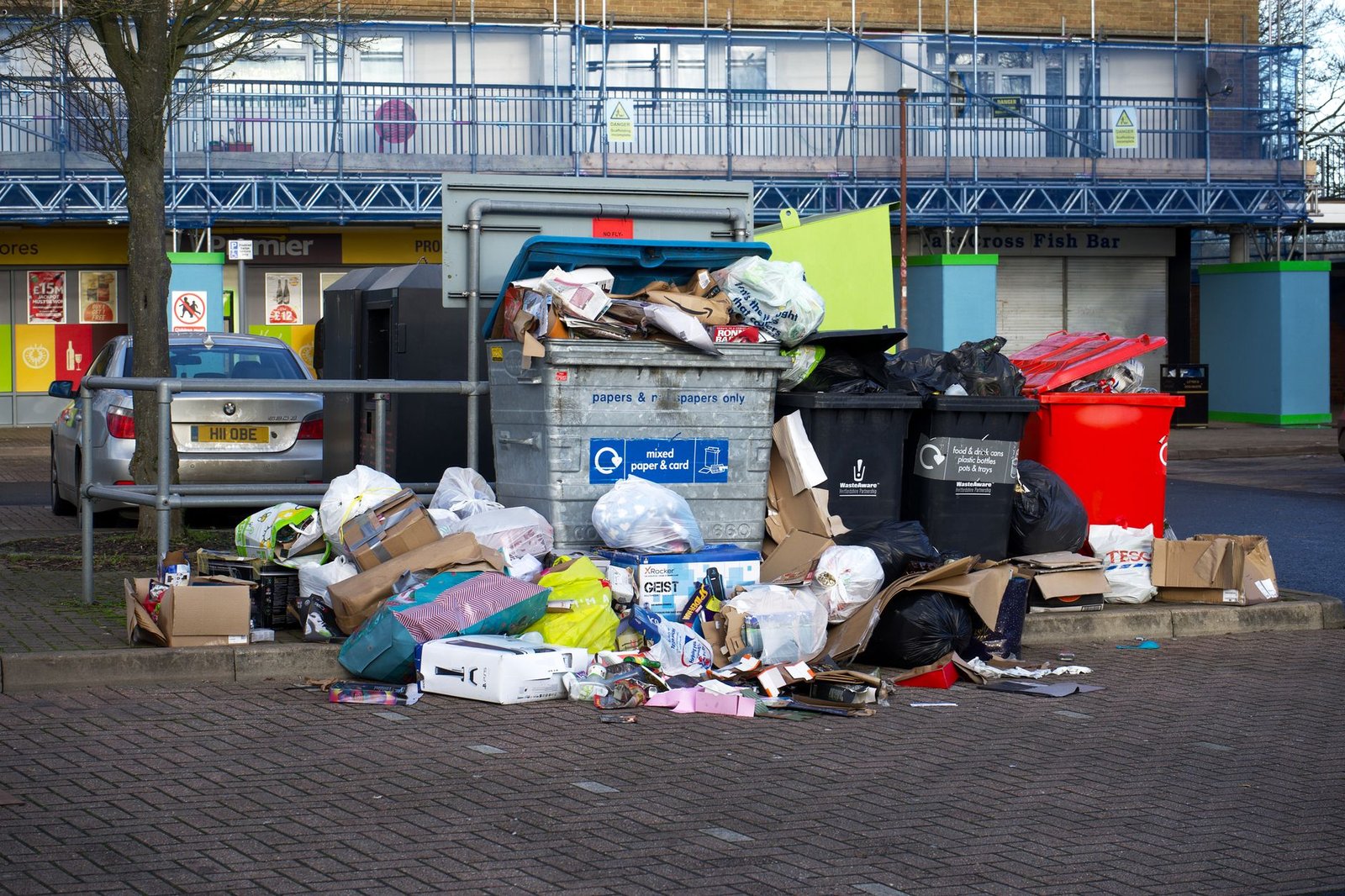
Startup costs are negligible: trash grabbers, bags, a vest, and a vehicle. This is one of the easiest dirty ways to make money for someone with minimal capital.
18. Cemetery and Grave Maintenance
Cemeteries need ongoing groundskeeping — mowing, trimming, cleaning headstones, and removing debris. Some families also hire private services to clean and maintain individual family plots, especially when they live far from the burial site.
Headstone cleaning services charge $50 to $200 per visit. Full grounds maintenance contracts with small private cemeteries can provide reliable seasonal income. The work is quiet, respectful, and often solitary, which appeals to certain temperaments despite the somber setting.
19. Cloth Diaper Service
Cloth diaper services pick up soiled diapers from customers’ homes, professionally launder and sanitize them, and deliver clean replacements. The “dirty” aspect is self-explanatory.
While this is a niche market, eco-conscious parents in urban areas represent a growing customer base. Services typically charge $20 to $35 per week per child. The main investment is in commercial washing equipment and a delivery vehicle.
20. Dumpster Pad and Enclosure Cleaning
Restaurants, grocery stores, and apartment complexes accumulate disgusting, foul-smelling residue around their dumpster areas. Grease, rotting food, and leaking trash bags create slick, unsanitary surfaces that attract pests and violate health codes.
Specialized cleaning crews use hot-water pressure washers and degreasing agents to restore these areas. Individual cleanings run $100 to $300, and monthly maintenance contracts provide predictable income.
21. Manure and Compost Hauling
Farms, horse stables, and livestock operations generate massive volumes of manure that need regular removal. Haulers transport waste to composting facilities, mushroom farms, or agricultural operations that use it as fertilizer.
Revenue comes from both the pickup fee charged to the farm and the sale of the composted material. This is a volume business that requires a dump truck or skid steer and tolerance for an overwhelming smell.
22. Gutter Cleaning
Gutters clogged with rotting leaves, bird nests, and stagnant water are a seasonal headache for homeowners. Gutter cleaners work from ladders at height, scooping out decomposing organic matter by hand.
Average jobs pay $100 to $300 per home. The work is seasonal but intense, with peak demand in late fall and early spring. Startup costs are minimal — a sturdy ladder, gloves, buckets, and a blower.
The main risk is falls. Ladder-related injuries account for over 300 deaths per year in the US, according to the CDC, so proper safety equipment and training are non-negotiable.
23. Medical Waste Disposal Courier
Medical facilities generate regulated biohazardous waste — used syringes, blood-soaked materials, pathological waste, and expired pharmaceuticals. Licensed couriers transport this waste from clinics, dental offices, and labs to approved incineration or treatment facilities.
The work requires DOT hazmat certification, compliance with state medical waste regulations, and specialized leak-proof containers. Pay ranges from $20 to $35 per hour for employed drivers, while independent contractors with their own vehicles and permits can earn more per route.
24. Oil Spill and Fuel Cleanup
Gas stations, auto shops, and industrial facilities occasionally experience fuel or oil spills that require immediate professional cleanup. Environmental remediation crews absorb, contain, and dispose of contaminated soil and water in compliance with EPA regulations.
Emergency response jobs command premium rates, often $500 to $2,000 for small spills and significantly more for larger incidents. HAZWOPER (Hazardous Waste Operations and Emergency Response) certification through OSHA is required.
25. Dumpster Diving for Resale
This is the most unconventional entry on the list and the one with the lowest barrier to entry. Dumpster diving involves retrieving discarded items from commercial dumpsters — particularly behind retail stores, electronics shops, and college dorms at the end of the semester — and reselling them on eBay, Facebook Marketplace, or at flea markets.
The legality varies by jurisdiction. The US Supreme Court ruled in California v. Greenwood (1988) that trash left for collection in public areas carries no reasonable expectation of privacy, but local trespassing and anti-scavenging ordinances may still apply. Always check local laws and avoid locked enclosures or private property without permission.
EARN ON AUTOPILOTEarnings are unpredictable but can be surprisingly high. Experienced divers report finding electronics, furniture, and seasonal merchandise worth hundreds or thousands of dollars per week.
Quick Comparison of Top Opportunities
| Opportunity | Estimated Startup Cost | Typical Job/Project Pay | Licensing Required? |
|---|---|---|---|
| Biohazard Cleanup | $10,000–$50,000 | $1,500–$25,000 | Yes (varies by state) |
| Septic Pumping | $30,000–$80,000 | $300–$600 per pump | Yes |
| Hoarder Cleanouts | $2,000–$8,000 | $1,000–$5,000 | Usually no |
| Pet Waste Removal | Under $500 | $15–$25/week per client | No |
| Junk Removal | $3,000–$15,000 | $150–$500 per load | Varies |
| Pressure Washing | $3,000–$8,000 | $200–$500 per job | Usually no |
| Gutter Cleaning | Under $1,000 | $100–$300 per home | No |
Getting Started With Limited Capital
If you’re reading this and thinking the startup costs for septic trucks and biohazard certifications are out of reach, don’t worry. Several of these dirty ways to make money require almost nothing to start.
Pet waste removal, parking lot litter pickup, gutter cleaning, and dumpster diving can all be launched with a few hundred dollars and a weekend of hustle. Use the early profits to reinvest in better equipment, marketing, and eventually higher-ticket services.
Start with one service. Do it exceptionally well. Collect testimonials and referrals. Then expand. Many successful junk removal and cleaning companies began with a single person and a borrowed pickup truck.
Legal and Financial Considerations in the United States
Before launching any of these businesses, take care of the administrative groundwork.
Business structure. Register your business as an LLC or sole proprietorship with your state’s secretary of state office. An LLC provides personal liability protection, which is especially important when dealing with hazardous materials, heavy equipment, or client property.
Insurance. General liability insurance is essential. For biohazard, mold, and environmental cleanup work, you’ll also need pollution liability coverage. Workers’ compensation is mandatory in most states if you hire employees.
Licensing and permits. Research requirements at the federal, state, and local levels. The EPA, OSHA, and your state’s department of environmental quality are good starting points for waste handling and hazardous material regulations.
Taxes. Self-employment income is subject to federal and state income tax plus the 15.3% self-employment tax (Social Security and Medicare). Set aside 25% to 30% of your gross earnings for quarterly estimated tax payments to avoid penalties.
Waste disposal compliance. Improper disposal of biohazardous waste, chemicals, or regulated materials can result in fines ranging from hundreds to tens of thousands of dollars. Always maintain proper documentation and disposal manifests.
Frequently Asked Questions
Are these dirty ways to make money actually legal?
Yes. Every opportunity listed in this article involves legal business activities. Some require specific licenses, certifications, or permits depending on your state and municipality, but none involve illegal activity. Always verify local regulations before starting.
How quickly can I start earning money?
Services like pet waste removal, litter pickup, and gutter cleaning can generate income within the first week. Higher-ticket services like biohazard cleanup or septic pumping require weeks or months of training, certification, and equipment acquisition before your first paying job.
Do I need a lot of money to get started?
Not necessarily. Several of these opportunities require under $500 in startup costs. More specialized services like septic pumping or biohazard remediation require significant investment in equipment and training. Start small and scale as revenue allows.
What are the biggest risks involved?
Physical injury, exposure to hazardous materials, and legal liability are the primary risks. Proper PPE, safety training, insurance coverage, and regulatory compliance significantly reduce these risks. Never cut corners on safety to save money.
Can I do this work part-time?
Many of these services work well as part-time side hustles, especially pet waste removal, junk removal, gutter cleaning, and pressure washing. Services requiring emergency response or scheduled commercial contracts (like grease trap cleaning or medical waste transport) typically demand more consistent availability.
Do I need to hire employees to scale?
Not immediately, but eventually yes if you want to grow beyond what one person can handle. Many operators start solo and hire their first employee once they have more work than they can complete alone. Be prepared for the added costs of payroll, workers’ compensation insurance, and training.
How do I find my first customers?
For residential services, Nextdoor, local Facebook groups, and door hangers in target neighborhoods are effective and inexpensive. For commercial services, cold-calling property managers, restaurant owners, and real estate agents tends to produce the best results. Word-of-mouth referrals become your strongest channel once you’ve completed a handful of quality jobs.
Final Thoughts
The most profitable opportunities in any market tend to be the ones most people refuse to pursue. Dirty, messy, smelly, and physically demanding work will never attract crowds of competitors, which means the people who show up consistently and do quality work can build remarkably stable and well-paying businesses.
You don’t have to tackle all 25 of these ideas. Pick one or two that align with your physical capabilities, available capital, local demand, and personal tolerance for unpleasantness. Research the specific requirements in your area. Start small, stay compliant, and deliver reliable service.
The money is there. Most people just don’t want to get their hands dirty enough to collect it. If you’re willing, the opportunity is wide open.
SUGGESTED POST >> StakerX Reviews: Features, 3% Daily ROI Earnings & Risks

4 thoughts on “Top 25 Dirty Ways to Make Money Fast Now”